
Every year, around 100,000 people have strokes across the UK. A stroke is a serious medical emergency that occurs when the blood supply to part of the brain is suddenly cut off. It remains one of the leading causes of adult disability, changing lives in an instant. With World Stroke Day arriving on 29th October, it is a timely moment to focus on what we can do to protect our own cardiovascular health, support family members, and understand exactly how to react when minutes count.
Strokes occur when brain cells are deprived of oxygen, either due to a blood clot (ischaemic) or a burst blood vessel (haemorrhagic). Fortunately, many are preventable through practical habits, routine check-ups, and lifestyle adjustments.
Actionable Steps for Stroke Prevention
Taking proactive care of cardiovascular wellness does not mean changing your routine overnight. Simple, consistent adjustments provide meaningful protection over the long term.
Keep Blood Pressure in a Safe Range
High blood pressure is the single largest contributing factor to strokes. Hypertension usually carries no outward signs; it is a silent risk. Getting your blood pressure checked regularly is vital. Reducing daily salt intake, eating plenty of fresh fruit and vegetables, and taking prescribed blood pressure medication can cut stroke risks substantially.
Manage Underlying Health Conditions
Certain chronic health issues raise stroke risks. Atrial Fibrillation is an irregular, often abnormally fast heartbeat that can cause blood clots to form in the heart and travel to the brain. If you or a relative experience palpitations or unexplained breathlessness, speak with a doctor immediately. Modern anticoagulants offer reliable protection against stroke risks associated with irregular heart rhythms.
Type 2 Diabetes also requires attention. Elevated blood sugar levels damage blood vessels gradually. Careful dietary management and medication monitoring keep glucose within target parameters.
High cholesterol also narrows arteries, making blockages more likely, so regular blood tests and cholesterol-lowering treatments help prevent fatty plaque buildup.
Stay Active and Nourish Your Body
Physical activity keeps blood vessels flexible and assists in maintaining a healthy weight. For older relatives, this does not have to involve rigorous activity. Gentle walks around the garden, chair-based exercises, or light stretching encourage circulation and boost mobility. Combine this with balanced, whole foods low in saturated fats and refined sugars to support heart health. Choosing Mediterranean-style diets rich in olive oil, nuts, and fish provides cardiovascular benefits without feeling restrictive.
Stop Smoking and Reduce Alcohol Consumption
Smoking doubles the risk of dying from a stroke. Chemicals in tobacco smoke narrow blood vessels and increase the tendency of blood to clot. Giving up smoking brings rapid improvements to vascular health, regardless of age. Similarly, limiting alcohol to within the recommended guidelines prevents blood pressure spikes. Replacing alcoholic drinks with hydrating alternatives like water or herbal teas supports overall cellular health and hydration, which helps keep the blood flowing smoothly.
Spotting the Signs of a Stroke: Why B.E.F.A.S.T. Matters
When a stroke strikes, prompt medical intervention is absolutely critical. Early assessment and swift treatment, such as clot-busting medication or thrombectomy procedures, significantly limit brain injury and improve rehabilitation outcomes. While many people know the traditional FAST acronym, medical professionals increasingly recommend B.E.F.A.S.T. to catch less common, sudden neurological symptoms:
- B is for Balance: Watch for a sudden loss of balance, acute dizziness, difficulty walking, or uncharacteristic clumsiness.
- E is for Eyes: This includes sudden trouble seeing in one or both eyes, double vision, or a sudden loss of vision.
- F is for Face: Look for facial weakness or drooping on one side. Ask the person to smile to see if one side of their mouth drops down.
- A is for Arms: Check for sudden weakness or numbness in one arm or leg. Ask the person to raise both arms to see if one arm drifts downwards.
- S is for Speech: Listen for slurred speech or confusion. The person may struggle to find words or fail to comprehend what you are saying.
- T is for Time: Time is critical. If you notice any one of these symptoms, call 999 immediately.
Even if the symptoms pass within a few minutes, as happens during a transient ischaemic attack or mini stroke, it is still an emergency.
Practical Home Recovery and Rehabilitation
Adjusting to life after a stroke brings physical and emotional challenges, from mobility issues to chronic fatigue. Recovering in familiar home surroundings offers a reassuring, quiet space to heal away from busy hospital wards.
Simple practical adjustments make daily living much easier. Clear away clutter, loose rugs, and trailing cables to create safe pathways and minimise trip hazards. If your relative struggles with speech, give them time to respond without finishing their sentences. Visual prompts and a calm environment support better communication. Finally, integrate exercises prescribed by NHS therapists into normal daily routines to encourage steady rehabilitation.
Help and Support
If you need further guidance or professional advice about stroke prevention, recovery, and long-term support, these established organisations provide dedicated resources:
- Stroke Association: The UK’s largest charity dedicated to stroke survivors and their families. They provide comprehensive clinical guidance, local peer support networks, and practical recovery tools.
- British Heart Foundation: A charity funding cardiovascular research and offering clear advice on managing blood pressure, cholesterol, and related stroke risk factors. You can explore their guidance and prevention strategies.
- Different Strokes: A charity supporting younger stroke survivors and their families. They offer active support groups, tailored rehabilitation advice, and practical resources across the country.
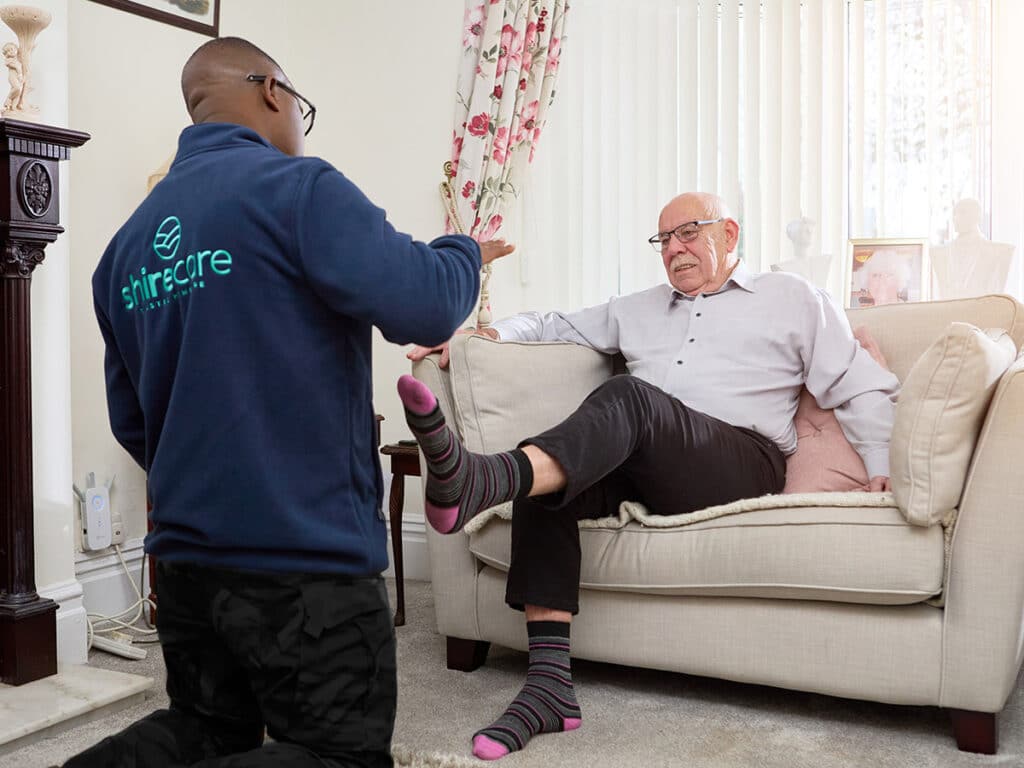
At Shirecare, our trained carers provide dedicated stroke recovery support. We assist with safe transfers, gentle exercises, and nutritious meals, working alongside community therapists to ensure a safe transition from hospital to home.
Whether you need daily visiting care or respite support our local teams are ready to help.