
Maintaining a home that is both safe and comfortable is a vital part of staying independent as we get older. Most people wish to remain in their own familiar surroundings for as long as possible, and making small, thoughtful adjustments can help achieve this goal. Creating a safer living space does not have to mean a complete renovation; often, simple changes to daily habits and minor home modifications can provide the support needed to live with confidence.
Understanding Home Safety Risks
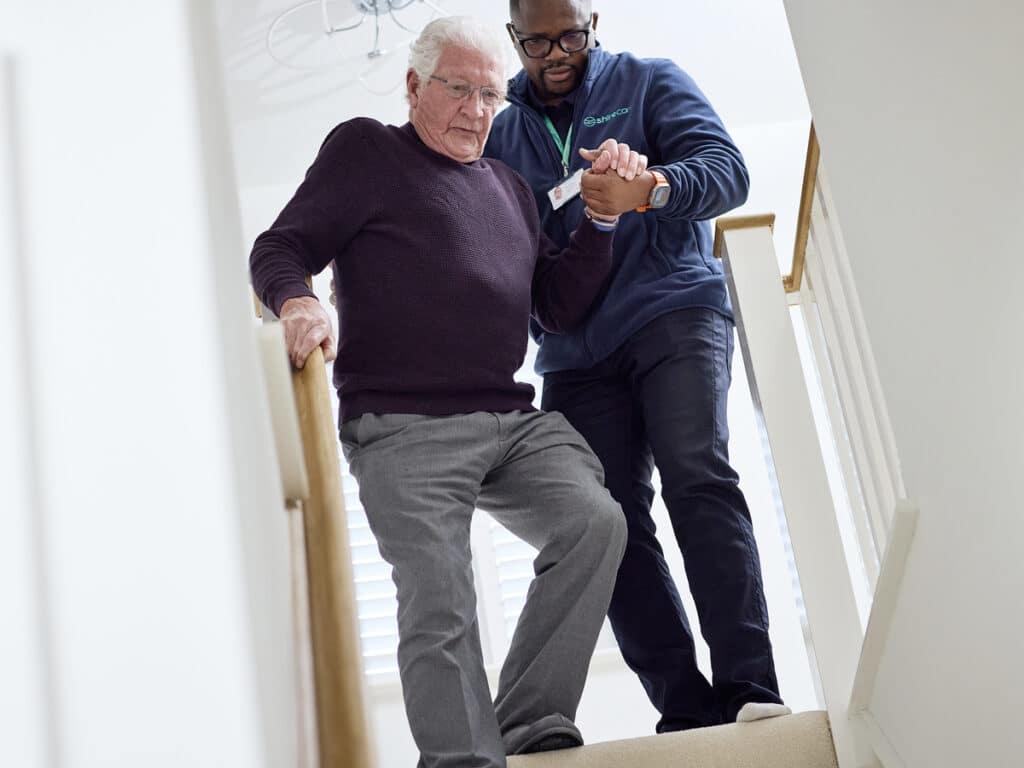
It is important to be aware of potential hazards that can develop over time. The latest analysis from the State of Ageing 2025 report reveals that more than 500,000 homes headed by someone over 55 are hazardous in terms of a significant risk of falls on stairs. While this figure highlights a real challenge, it also shows why proactive measures are so important for preventing accidents before they happen.
Support is available to help manage these risks. Many local councils offer a free home assessment where an occupational therapist can visit to suggest specific improvements tailored to your needs. Addressing these areas early ensures that your home remains a sanctuary rather than a source of worry.
Practical Tips for a Safer Home
Focusing on a few key areas can significantly improve both safety and comfort without making the home feel clinical.
- Clear Walkways – Removing clutter from floors, especially in high-traffic areas like hallways and stairs, is an easy way to prevent trips.
- Lighting Improvements – Older eyes often need more light to see clearly. Installing motion-activated night lights in the bedroom and hallway can prevent stumbles during the night.
- Bathroom Safety – Adding non-slip mats in the bath or shower and installing sturdy grab rails can provide essential support in what is often the most slippery room in the house.
- Easy Access – Storing frequently used items like mugs and tea bags on the worktop or in lower cupboards avoids the need for stretching or using step stools.
- Contrast and Colour – Using brightly coloured tape on the edges of steps or light switches can help them stand out, making navigation much easier for those with changing vision.
Enhancing Comfort and Ease of Use
Comfort is just as important as safety for a high quality of life. Making the home easier to manage reduces fatigue and allows you to enjoy your daily activities more fully.
Simple tools like a kettle tipper or a perching stool in the kitchen can make preparing a meal much less tiring. Anyone who finds sitting and standing difficult could benefit from a riser-recliner chair or raising the height of an existing bed. These adjustments are about making the home work for you, so that every room remains accessible and comfortable.
Seeking Assistance When Needed
Knowing when to ask for a helping hand is a key part of staying independent. Whether it is temporary support while recovering from an illness or ongoing help with domestic tasks, having professional care in place can take the pressure off both yourself and your family.
At Shirecare, we see how the right support can transform a person’s experience of living at home. Our caregivers are trained to identify potential hazards and can assist with the very tasks that might become challenging, such as light cleaning or laundry. This professional assistance ensures your living space remains a welcoming and manageable environment, allowing you to focus on the things you love.
Shirecare offers a range of personally tailored services for differing needs, from companionship to practical housekeeping, always focusing on promoting independence and dignity for every client.
Help And Support
If you would like further professional advice on making home life safer, these organisations provide excellent resources:
- NHS Social Care and Support: Guide to home adaptations
- Age UK – Home safety and security advice
- Independent Age – Free guide on getting help at home
Shirecare provides a range of services for differing needs to help you live safely and comfortably at home, always promoting independence for our clients.