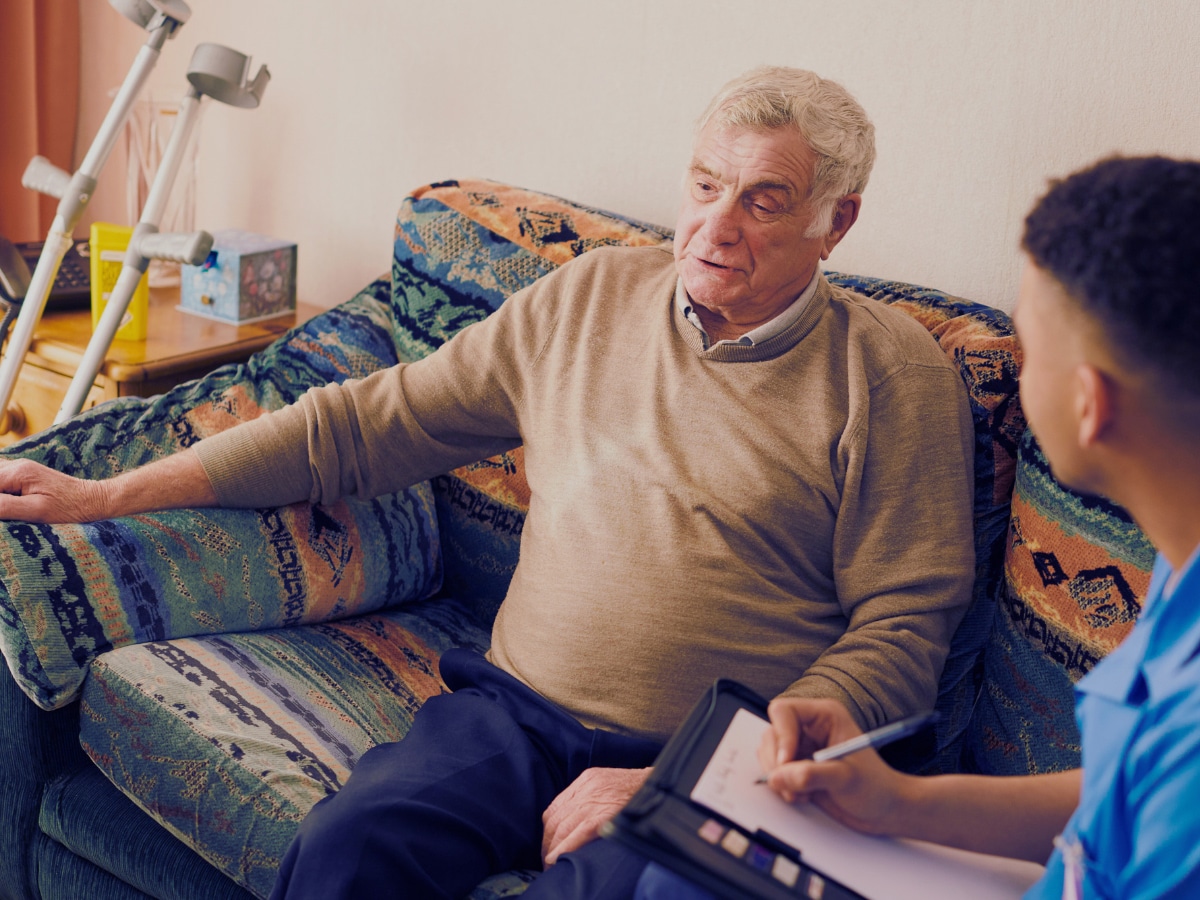
Maintaining independence is a fundamental part of ageing with dignity. For many people, the ability to remain in their own home provides a sense of security and continuity that is vital for mental and emotional wellbeing. Independence is not necessarily about doing everything alone. It is about having the choice and control over how daily life is managed.
The Importance of Routine and Autonomy
A daily routine provides structure and a sense of purpose. Encouraging someone to remain active in their own care, whether that is choosing their own clothes, helping with light meal preparation, or managing their own schedule, can help maintain cognitive function and physical mobility.
When people feel they are losing control over their environment, it can lead to frustration or a lack of confidence. By focusing on what a person can do, rather than what they cannot, we help preserve their self-esteem. Small adjustments to the home environment, such as better lighting or removing trip hazards, can make a world of difference in allowing someone to move safely and independently.
Practical Steps to Support Daily Living
Supporting independence often involves finding a balance between safety and self-reliance. It is helpful to look at specific areas where a little support can go a long way:
- Nutritional Health – Keeping a kitchen well-stocked and accessible helps our clients maintain their own dietary habits.
- Mobility Aids – Simple additions like grab rails in the bathroom or a second bannister on the stairs can prevent falls and encourage movement.
- Domestic Assistance – Having help with heavier tasks like laundry or cleaning allows an individual to focus their energy on the activities they enjoy most.
At Shirecare, we see this balance in action every day. Our care includes practical domestic assistance to keep the house tidy, safe, and comfortable. We help with light cleaning and laundry, making sure the living space remains a manageable environment that supports long-term independent living.
The Role of Social Connection
Independence is also linked to social health. Isolation can lead to a decline in physical health, making it harder for people to stay active. Engaging in the community, visiting friends, or simply having someone to talk to can provide the emotional boost needed to stay motivated and independent.
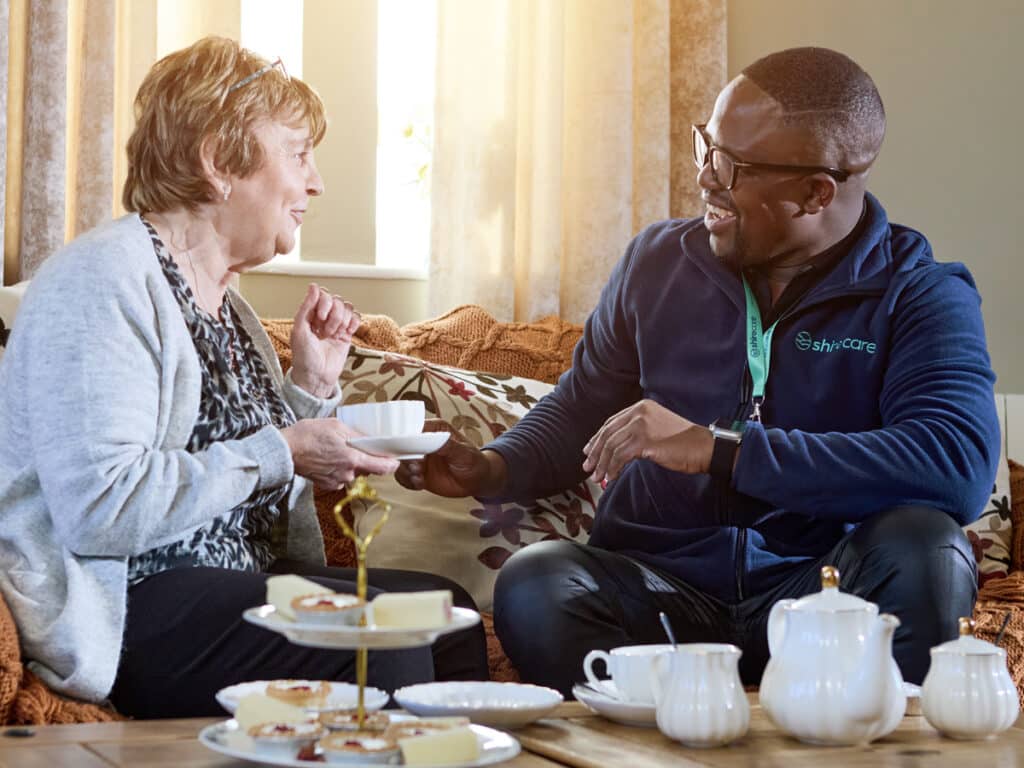
Genuine companionship is often the most valuable form of support. Having a friendly face to provide meaningful social interaction reduces isolation and supports overall wellbeing. Whether it is enjoying a favourite hobby or running errands together, staying connected makes sure an individual stays engaged in their home environment.
Creating A Sustainable Support System
For family members, the goal is often to provide enough support so their loved one is safe, without taking away their agency. This can be a delicate path to walk. It is important to have open conversations about what help is wanted and to involve the individual in every decision regarding their care.
Sometimes, professional input can provide the specific expertise needed to keep someone at home for longer. At Shirecare, our caregivers are trained to assist with daily routines while always maintaining privacy and comfort. This assistance is delivered compassionately, helping individuals start and end their day feeling respected, which supports them in continuing to live fully.
Why Choice Matters in Home Care
The ability to scale support up or down is a major factor in staying independent. Rigid schedules can often make a person feel like they are losing their grip on their own life. Our services are adaptable, easily scaling to meet changing needs without rigid contracts. Using a flexible approach allows care to adapt as needs change, rather than forcing a person to fit into a pre-set box.
Every member of a professional team should be selectively recruited and undergo enhanced vetting. This creates a foundation of trust. When a person feels safe with the professional entering their home, they are more likely to accept the small amounts of help that actually allow them to remain independent for longer.
Shirecare provides a range of personally tailored services to meet differing needs, from companionship to practical housekeeping, always focusing on promoting independence and dignity for every client.
Support And Advice
For further reading and expert resources on maintaining independence at home, please visit the following organisations:
- NHS Social Care and Support Guide: Getting a needs assessment
- Age UK: Staying independent in your own home
- Independent Age: Adapting your home to stay independent
Shirecare believes everyone should be able to remain in their own homes for as long as possible, and our services help to promote independence in every one of our clients.