The colder months bring specific challenges for health and safety, particularly for those living independently. While winter mortality in the UK remains a concern, many of the risks associated with drops in temperature are preventable through proactive planning and minor adjustments to daily routines. Staying healthy during this period is about more than just staying warm; it involves a combination of nutritional support, home safety, and maintaining social connections.
Maintaining A Warm and Safe Home Environment
The temperature of the home has a direct impact on physical health. Experts recommend keeping the main living areas at a minimum of 18°C to help prevent the onset of respiratory and circulatory issues. Cold air can be particularly taxing on the body, so simple measures like closing curtains at dusk and using draught excluders can make a significant difference in heat retention.
- Home Safety Checks – Making sure heating systems are serviced before the first frost helps avoid emergency breakdowns during cold snaps.
- Appropriate Clothing – Wearing multiple thin layers of clothing is more effective at trapping heat than one thick layer.
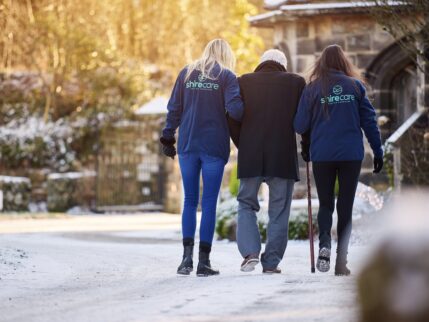
- Footwear – Using sturdy shoes with good grip is vital for avoiding falls on icy or damp surfaces outside the home.
At Shirecare, we understand that the comfort of your home is essential to wellbeing. Our care includes practical domestic assistance to keep the house tidy, safe, and comfortable. Our team can help with tasks such as making sure heaters are functioning correctly and that walkways are clear of hazards.
Nutritional Support and Hydration
Eating regularly is one of the most effective ways to keep the body warm. Hot meals and drinks provide the fuel needed to maintain body temperature, yet preparing these can become more difficult when the weather turns. It is also important to remember that hydration is just as necessary in the winter as it is in the summer.
- Regular Meals – Aiming for at least one hot meal a day provides essential energy to fight off seasonal illnesses.
- Stocked Cupboards – Keeping a supply of tinned or frozen foods reduces the need to leave the house during hazardous weather.
- Fluid Intake – Drinking plenty of water or herbal tea helps maintain energy levels and cognitive function.
Maintaining a balanced diet is vital, but preparing fresh meals can become a challenge over time. Shirecare caregivers provide personally tailored care that supports daily routines, making sure the kitchen is well-stocked and that clients have access to nutritious, warm food throughout the colder times.
Protecting Mental Health and Physical Wellbeing
Winter can be a time of increased isolation. Short days and poor weather often mean people spend more time alone, which can affect mental health. Furthermore, the NHS faces immense pressure during this season. For example, in late 2024, the NHS reported that 94.7% of general acute beds were occupied as winter pressures intensified. Staying well at home helps reduce the need for hospital admission.
- Social Interaction – Checking in with friends or family regularly can prevent the feelings of loneliness that often accompany long winter nights.
- Physical Activity – Even light movement inside the home helps improve circulation and keeps joints mobile.
- Vaccinations – Keeping up to date with seasonal boosters and flu jabs is a vital step in preventing serious illness.
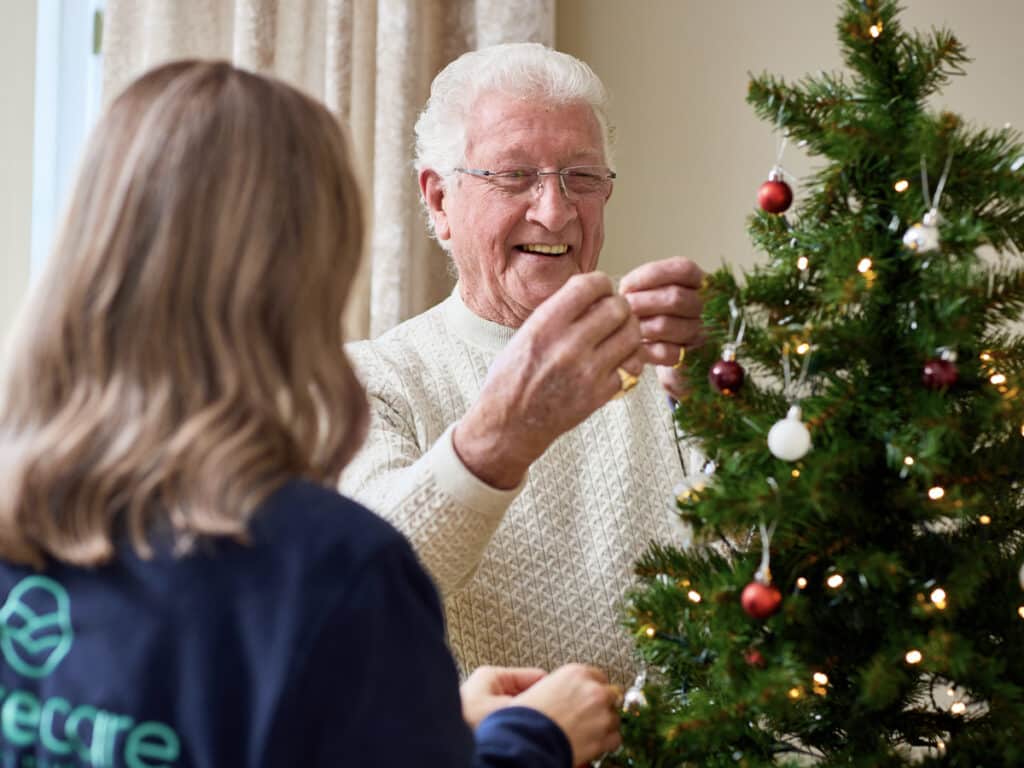
Sometimes, the most valuable care is genuine companionship. Our carers offer a friendly face to provide meaningful social interaction, reducing isolation and supporting overall wellbeing. Whether it is a conversation over a hot drink or help with a favourite hobby, staying connected makes sure our clients stay engaged in their home environment, even when they cannot go outside.
Preparing For Extreme Weather
Unpredictable weather can lead to sudden drops in temperature or heavy snowfall. Having a plan in place before these events occur ensures that routines are not disrupted. This includes having a list of emergency contacts and making sure that any regular medications are ordered well in advance.
- Emergency Kits – Keeping a torch, extra blankets, and a battery-powered radio can be helpful in the event of power outages.
- Medication Management – Ordering prescriptions early helps avoid the risk of running out when pharmacies might be closed or deliveries delayed.
- Flexible Support – Being able to adapt support levels during a cold snap ensures that safety remains the top priority.
Support And Advice
For more information on staying healthy and safe this winter, please consult the following professional resources:
- NHS: How to stay well in winter
- Age UK: Winter health and wellbeing advice
- UK Government’s Cold Weather Plan for England
Shirecare offers a range of services for differing needs to help you stay safe and healthy at home, always promoting independence for our clients.